
Electric Motor Bearing Noise at Cold Start: Causes & Solutions
Why Are Motor Bearings Noisier in Cold Weather?
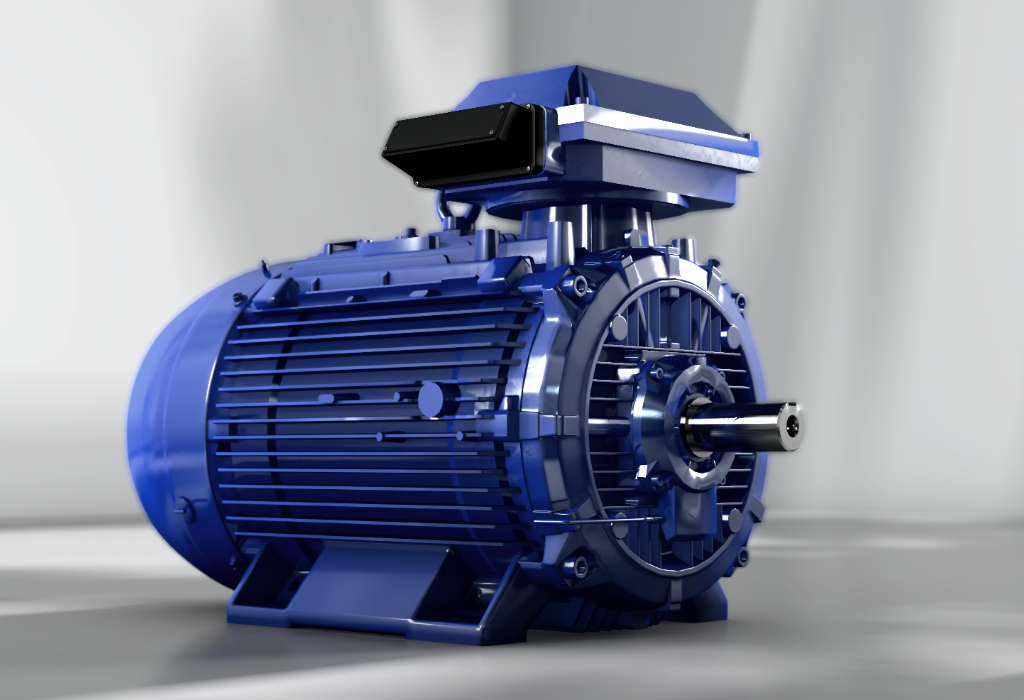
The Temperature Trap: How Cold Weather Affects Lubrication
At the heart of this winter noise mystery is lubrication—specifically, the base oil viscosity of the grease used in your electric motor bearings. While grease ensures smooth operation at standard temperatures, its physical properties change drastically when the mercury drops.
Think of grease viscosity like kitchen ingredients:
-
In Summer (20°C+): Grease behaves like runny honey—it flows easily into the raceways, forming a consistent protective film.
-
In Winter (Sub-zero temperatures): Grease thickens into frozen butter—stiff, immobile, and resistant to flow.
This increase in viscosity creates a critical issue during a cold start. Most standard greases are formulated for operating temperatures (e.g., 60°C – 80°C), not for the initial startup at -10°C or -20°C. When you start a motor with stiff grease, two things generate that alarming noise:
-
Viscous Drag (Churning Noise): The motor has to work significantly harder to “plow” through the solidified grease. This resistance creates a dull, churning sound and can even trip the overload protection on smaller motors.
-
Skidding (Squealing Noise): This is the most damaging factor. Because the grease is too thick to channel properly, the rolling elements (balls or rollers) may slide or skid across the raceway instead of rolling. This metal-to-grease friction causes the high-pitched squealing or “whining” noise often heard in the first few minutes of operation.
Technical Insight: Once the motor runs for 10-15 minutes, the internal friction generates heat, lowering the grease viscosity. The noise usually disappears as the grease returns to its fluid state—but the damage from that initial dry sliding may already be done.
Environment Matters: Controlled vs. Outdoor Applications
You might notice that motors in the same facility behave differently in winter. The answer often lies in the specific ambient temperature of the installation site:
-
Climate-Controlled Facilities: Production lines with central heating usually maintain a stable temperature (above 15°C). Here, grease viscosity remains stable, and bearing noise is rarely an issue.
-
Unheated Warehouses & Outdoor Equipment: Motors installed in unheated storage areas, or outdoor applications like mining conveyors, agricultural pumps, or rooftop HVAC units, are directly exposed to the cold. In these scenarios, the rapid drop in ambient temperature causes the grease to stiffen, leading to immediate noise upon startup.
Key Takeaway: It’s not just the season that matters—it’s the specific micro-climate surrounding your electric motor.
Case Studies: Bearing Knock at Cold Starts, Is It Normal?
Scenario 1: The Risk of Regreasing in Freezing Temperatures
Imagine it’s a freezing winter day, and you are performing routine maintenance by adding fresh grease to a running motor. Suddenly, the noise level spikes. What happened?
-
The Problem (Viscosity Mismatch): The new grease sitting in your grease gun is likely cold and stiff, while the old grease inside the running motor is warm and fluid.
-
The Result: The cold, thick grease fails to mix with the warm grease. Instead of lubricating, it acts like a solid block, increasing internal pressure. This can cause “channeling,” where the rollers push the grease aside without picking up a lubricating film, leading to metal-to-metal contact noise. In extreme cases, the pressure spike can even damage the bearing seals.
Pro Tip: Always store your grease in a heated room. If you must grease a motor in the cold, ensure the new grease is warmed up to at least 15°C (60°F) before application to ensure proper flow and blending.
Scenario 2: The “Cold Start Knock” & Thermal Contraction
You flip the switch on a freezing morning, and instead of a smooth hum, you hear a rhythmic “knocking” or “clicking” sound. Is the bearing broken? Not necessarily.
While thickened grease causes a whining noise, a knocking sound is often caused by Thermal Contraction.
-
The Science: Metal shrinks when cold. The motor housing (often aluminum) usually shrinks faster than the steel bearing outer ring.
-
The Squeeze: This rapid shrinkage compresses the bearing’s outer ring, effectively reducing its Internal Clearance (e.g., from C3 to zero). The rolling elements get squeezed too tightly, creating a knocking sound until the motor warms up and the metal expands back to normal dimensions.
The Fix: If this happens frequently, “preheating” isn’t the only solution. You may need to switch to bearings with C3 or C4 internal clearance to allow for this thermal contraction without binding.
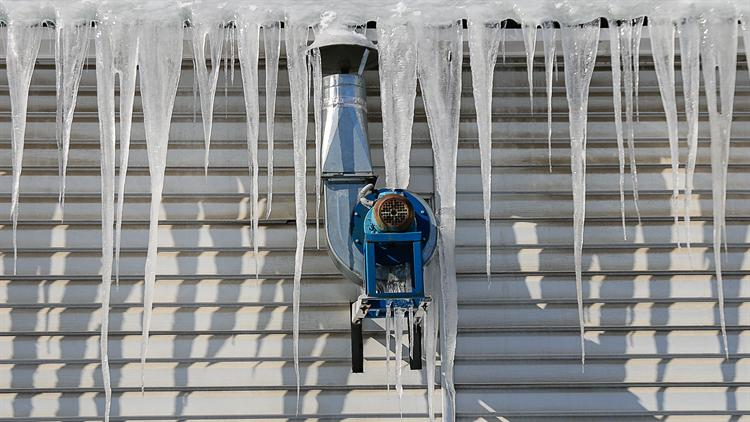
Selection Guide: Matching Bearings to Extreme Climates
Motor designers and maintenance teams must specify the right components for the final operating environment, not just where the machine was assembled.
-
For Sub-Zero Climates (e.g., Arctic mining, Cold storage): Standard grease solidifies here. You must specify Low-Temperature Grease (synthetic base oils) capable of operating down to -40°C or -50°C. Additionally, consider larger internal clearance (C3) to prevent locking up.
-
For Tropical/High-Heat Climates: Standard grease might liquefy and leak out. High-temperature stabilizers are required to maintain film thickness.
The Mismatch Risk: A common failure occurs when a motor built with “standard specs” (meant for a temperate factory floor) is shipped to a freezing outdoor site. The standard grease freezes, and the bearing fails within weeks.
Key Takeaway: Don’t just order a “6205 bearing.” Tell your supplier your operating temperature range.
Condensation & Grease Emulsification
Winter brings a sneaky problem: moisture. When a hot motor stops and cools down in a freezing environment, the internal air contracts, creating a vacuum that sucks in damp, cold air. This “breathing” effect leads to:
-
Water Accumulation: Droplets form on the raceways.
-
Grease Emulsification: The water mixes with the grease, turning it into a milky, ineffective soup that fails to lubricate, causing immediate noise upon the next start.
The Solution: Upgrade Your Seals
If your motors run in intermittent cycles (Start/Stop) in winter, standard metal shields (ZZ) might not be enough.
-
Recommendation: Switch to Rubber Sealed Bearings (2RS). These provide a tighter seal against moisture ingress compared to metal shields, protecting the grease from emulsification.
Diagnostic Tip: Is it the Motor or the Idler Pulley?
Before you blame the motor, check the belt drive. Idler pulley bearings often use cheaper grease that freezes faster than motor bearings.
-
The Test: Remove the belt and spin the motor by hand. If it’s silent, your motor is fine—the noise is coming from the frozen idler pulley.
Keep Your Electric Motors Quiet This Winter
Why do motors get noisier in winter? It boils down to viscosity, clearance, and moisture. Cold weather thickens the grease and shrinks the housing, making bearings work harder and louder.
Quick Maintenance Checklist:
-
Pre-Condition: Store grease indoors (20°C) before application.
-
Listen: Distinguish between a “whine” (thick grease) and a “knock” (clearance issue).
-
Upgrade: Don’t force a standard bearing to do a winter bearing’s job.