
Cylindrical Roller Bearing Troubleshooting Guide: 5 Common Failures & Solutions
Introduction
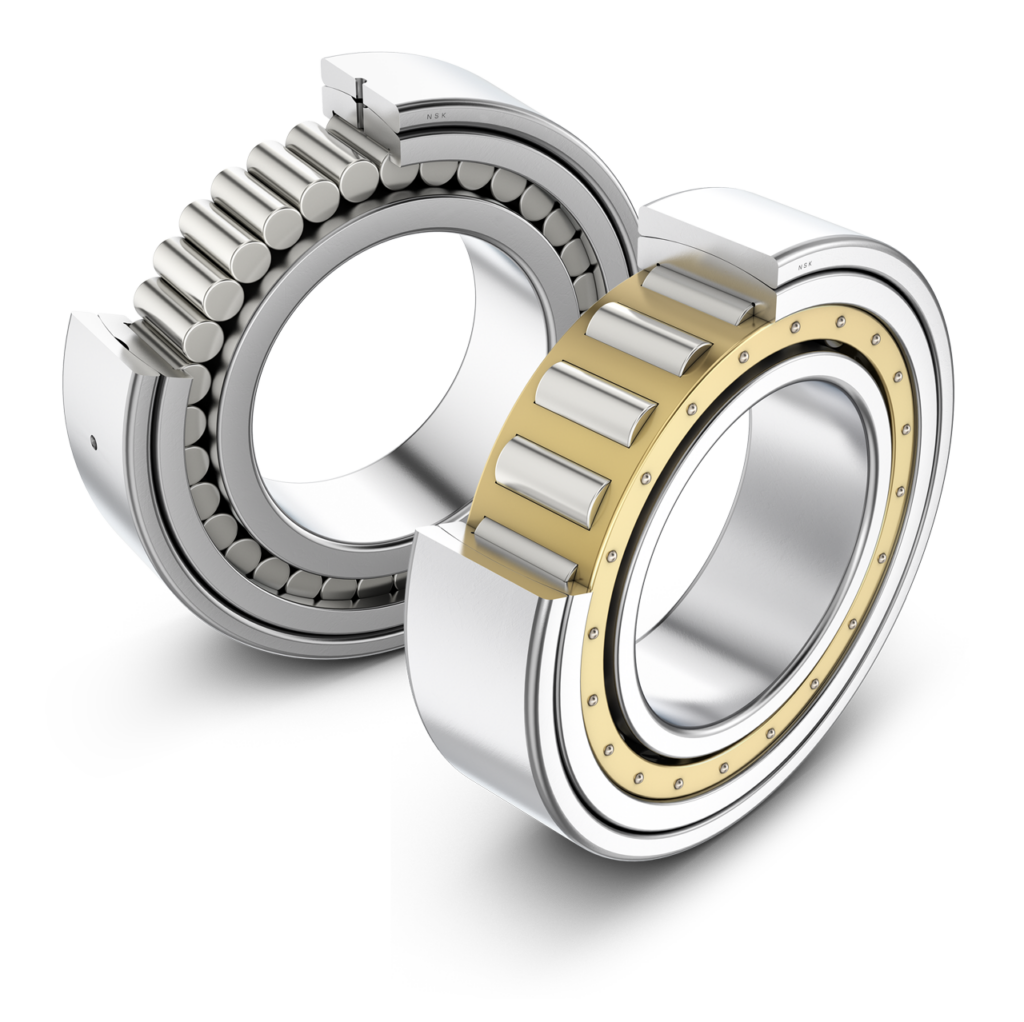
Cylindrical roller bearings are the backbone of heavy industrial machinery, electric motors, and gearboxes due to their exceptional ability to handle high radial loads. However, even the most durable bearings can fail prematurely if subjected to improper lubrication, misalignment, or overloading.
When a bearing fails, it’s not just a part replacement—it’s costly downtime. Are you experiencing overheating, unusual noise, or vibration in your equipment?
This troubleshooting guide covers the 5 most common failure modes of industrial cylindrical roller bearings. We will move beyond basic definitions and provide actionable, technical solutions to help you identify the root cause and extend the lifespan of your machinery.
Problem 1: Overheating and Discoloration
Overheating is often the first indicator of impending failure. While cylindrical roller bearings are designed to operate under heavy radial loads, they are sensitive to temperature spikes. If the operating temperature exceeds the lubricant’s limit (typically >80°C for standard applications), the oil film breaks down, leading to metal-to-metal contact.
What Causes Overheating?
-
Lubrication Issues (Too Little OR Too Much): While lack of lubrication is obvious, over-greasing is a common cause of overheating. Excess grease causes “churning,” which generates rapid friction heat.
-
Insufficient Internal Clearance: As the bearing heats up, the metal expands. If the Radial Internal Clearance (e.g., C3 or C4) is too tight, the expansion will eliminate the gap, causing the bearing to seize and burn.
-
Wrong Viscosity: Using a lubricant with low viscosity that cannot maintain a film under high temperatures or heavy loads.
-
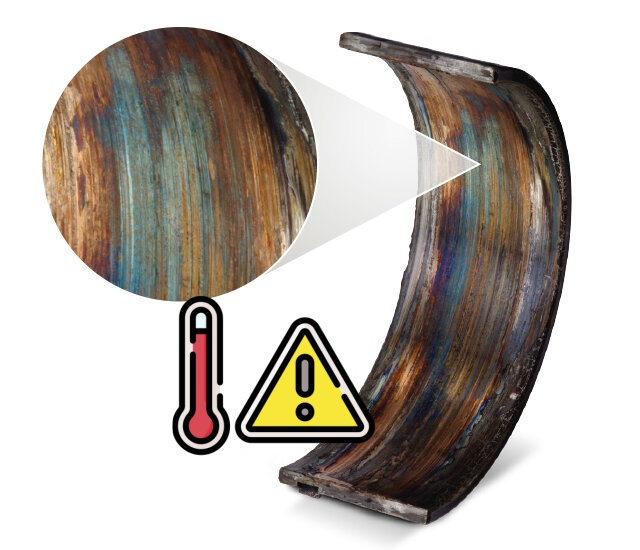
Discoloration: Severe overheating often leaves visible evidence. If you see blue or brown discoloration on the rollers or raceways, the steel has lost its hardness due to extreme heat (thermal tempering).
How to Fix Overheating Issues
-
Correct Grease Fill Quantity: Do not overfill. For most industrial housings, fill the free space to 30%–50% with grease to allow for heat dissipation.
-
Check Internal Clearance: If the application involves high speeds or external heat sources, switch to a bearing with a larger internal clearance (C3 or C4) to accommodate thermal expansion.
-
Improve Cooling: Ensure the housing has adequate ventilation. In extreme cases, consider a circulating oil system instead of grease.
-
Verify Load Direction: Cylindrical roller bearings are designed for radial loads. Ensure there is no unintended axial (thrust) load acting on the bearing, which generates excessive friction on the rib flanges.
Problem 2: Excessive Noise and Vibration
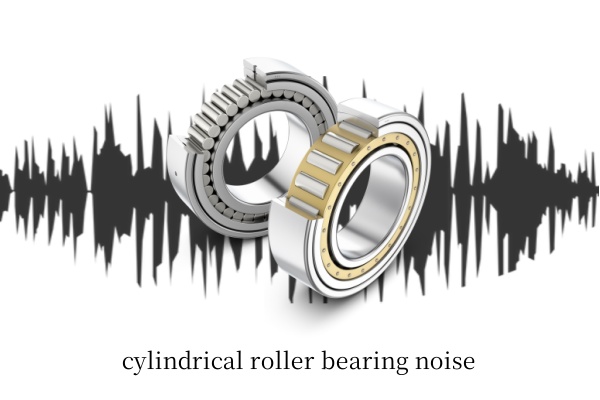
Changes in sound and vibration levels are the most reliable early warning systems for bearing failure. However, not all noises mean the same thing. In cylindrical roller bearings, identifying the specific type of noise is key to troubleshooting.
What Causes Noise and Vibration?
-
Skidding Noise (Screeching/Howling): This is unique to cylindrical roller bearings. It happens when the radial load is too low, causing the rollers to slide (skid) rather than roll. This creates a high-pitched screeching sound and rapid heat generation.
-
Low-Frequency Rumbling: A deep, growling noise typically indicates fatigue spalling or pitting on the raceways. The rolling elements are hitting the damaged spots with every rotation.
-
Irregular Clicking: This often points to cage damage or solid contaminants (debris) trapped inside the bearing housing.
How to Fix Noise Issues
-
Ensure Minimum Load: Cylindrical roller bearings require a minimum radial load to provide traction for the rollers. If the load is too light, check the manufacturer’s minimum load requirements (typically 2-3% of the dynamic load rating).
-
Vibration Analysis: Use vibration monitoring tools to detect the frequency of the vibration. High-frequency spikes usually indicate lubrication issues, while low-frequency peaks suggest physical raceway damage.
-
Check Shaft Fits: A loose fit on the shaft can cause the inner ring to “creep,” leading to vibration and fretting corrosion.
Problem 3: Spalling and Surface Pitting
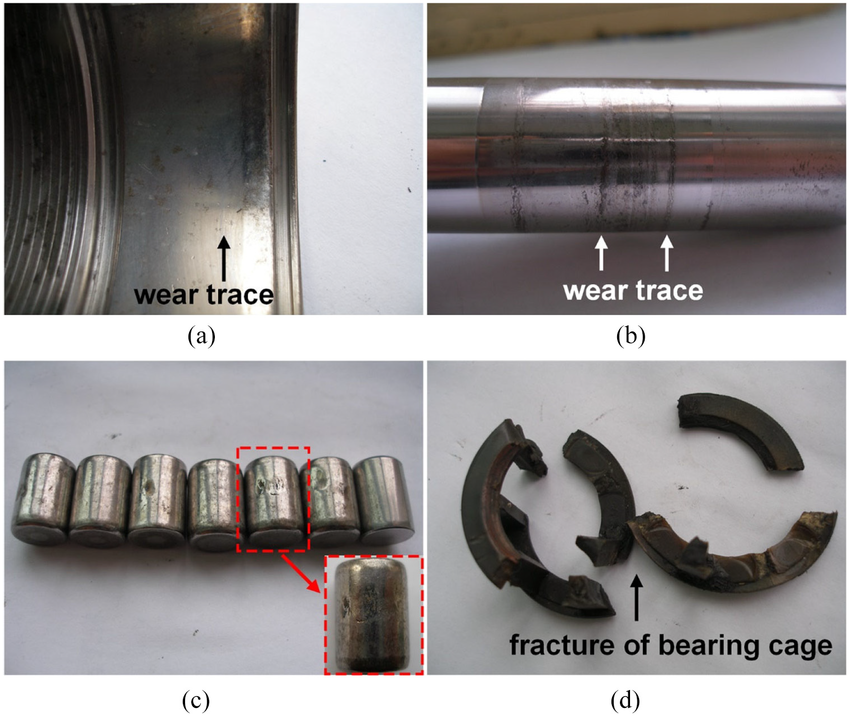
“Wear” is a vague term. In industrial applications, the most critical form of wear is Spalling (flaking of metal from the raceway) and Pitting. Looking at the wear patterns on your failed bearing can reveal the root cause.
What Causes Spalling and Pitting?
-
Misalignment (Edge Loading): If the shaft bends or the housing is not perfectly aligned, the rollers will only contact the edge of the raceway rather than the center. This creates extreme stress concentrations known as Edge Loading, leading to rapid spalling on one side of the race.
-
Contamination: Hard particles (metal chips, sand, or dust) entering the lubricant will dent the raceways. These dents act as stress points where spalling begins.
-
Fatigue Failure: Every bearing has a calculated L10 fatigue life. Spalling is the natural end-of-life failure mode, but if it happens prematurely, it indicates overloading.
How to Fix and Prevent Spalling
-
Laser Alignment: During installation, strictly adhere to the alignment tolerances. Cylindrical roller bearings have very low tolerance for misalignment (typically less than a few minutes of arc).
-
Upgrade Sealing: If you find debris in the grease, upgrade to sealed cylindrical roller bearings or improve external housing seals to prevent contaminant ingress.
-
Analyze Wear Patterns:
-
Even wear: Normal operation.
-
Angled wear path: Indicates misalignment.
-
Wear on one side only: Indicates excessive axial load (thrust).
-
Problem 4: Cage (Retainer) Fracture
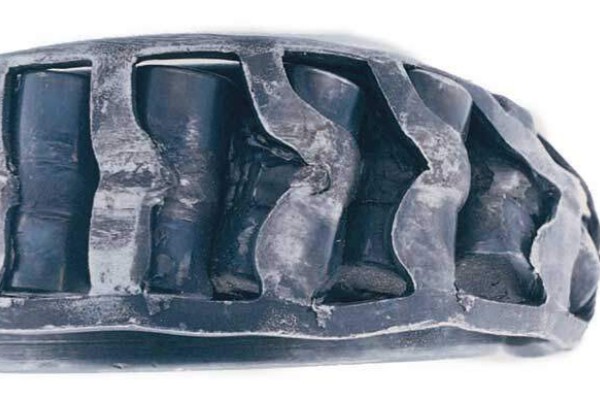
While the rollers handle the load, the cage (or retainer) is responsible for guiding them. Cage failure is often catastrophic because once the cage breaks, the rollers can collide, causing the bearing to seize instantly. As shown in common failure examples, a fractured cage often indicates issues unrelated to load capacity.
What Causes Cage Damage?
-
Vibration and Shock Loads: In applications like vibrating screens or crushers, excessive g-forces can fatigue a standard stamped steel cage, causing it to crack.
-
Sudden Speed Changes: Rapid acceleration or deceleration creates inertial forces. The rollers try to speed up or slow down, but the cage lags behind, causing the rollers to crash into the cage pockets.
-
Lubrication Starvation: If the lubricant film fails, the cage drags against the rolling elements, leading to wear and eventual fracture.
How to Fix Cage Issues
-
Upgrade Cage Material: For high-vibration applications, switch from a standard steel cage to a Machined Brass Cage (Suffix M) or a nodular cast iron cage. These are more robust and can withstand shock loads better.
-
Check Lubrication Flow: Ensure grease is actually reaching the cage surfaces. In oil-lubricated systems, verify that the oil flow is sufficient to wash away debris.
Problem 5: Corrosion and Rust
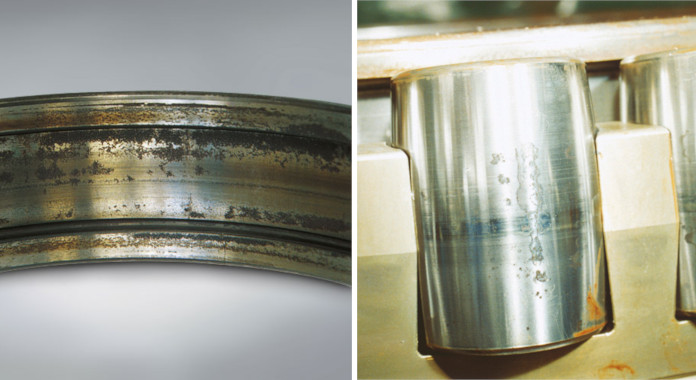
Corrosion is the enemy of bearing surfaces. It creates pits on the raceways that lead to noise and eventual spalling. In industrial environments, we typically see two types of corrosion: Moisture Corrosion and Fretting Corrosion.
What Causes Corrosion?
-
Moisture Ingress: Water mixing with grease degrades the lubricant’s protective properties. This is common in paper mills, mining, and outdoor machinery.
-
Fretting Corrosion (The “False Rust”): If you see reddish/black powder on the shaft or the bearing bore, it might not be water rust. It is often Fretting Corrosion, caused by microscopic movements between the inner ring and the shaft due to a loose fit.
-
Acidic Lubricants: Over time, some oils oxidize and become acidic, etching the bearing steel.
How to Prevent Corrosion
-
Improve Sealing: Upgrade to sealed cylindrical roller bearings (if applicable) or install external labyrinth seals to keep water out.
-
Check Shaft Tolerances: To fix fretting corrosion, ensure the shaft diameter meets the recommended interference fit tolerance (e.g., k5, m5, or n6) to prevent the ring from creeping.
-
Use Rust-Inhibiting Grease: Switch to a lubricant specifically formulated with anti-corrosion additives (Calcium sulfonate greases are often good for wet environments).
Specific Solution: Proper Lubrication Strategy
Lubrication is not just about “adding grease”; it is about separating the rolling elements from the raceway with a microscopic film. Statistics show that over 50% of bearing failures are lubrication-related.
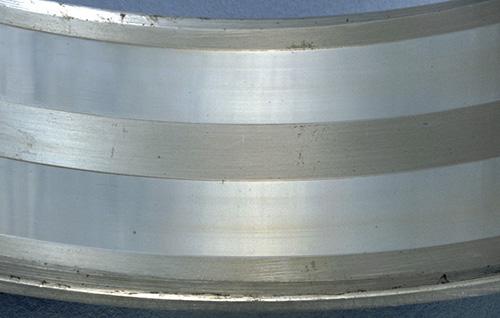
The image below demonstrates a classic symptom of Lubrication Film Breakdown. Notice the shiny, mirror-like bands on the raceway. This “glazing” occurs when the lubricant’s viscosity is too low to separate the metal surfaces, leading to micro-welding and surface distress.
Grease vs. Oil: Which Should You Choose?
Choosing the right medium depends entirely on your operating conditions (Speed, Load, and Temperature).
-
Grease Lubrication (Best for ~80% of Applications):
-
When to use: Ideal for moderate speeds and environments where you need the lubricant to act as a secondary seal against dust and moisture.
-
Selection Tip: For cylindrical roller bearings under heavy loads, ensure the grease contains EP (Extreme Pressure) additives and has the correct base oil viscosity (typically ISO VG 150 or 220).
-
-
Oil Lubrication:
-
When to use: Required for high-speed applications or extreme heat environments where grease would degrade rapidly.
-
Mechanism: Oil carries heat away from the bearing, acting as a coolant (e.g., in Circulating Oil or Oil Mist systems).
-
Crucial Warning: Grease Compatibility
A common maintenance error is mixing different grease types. Mixing a Lithium-complex grease with a Polyurea-based grease can cause a chemical reaction that breaks down the thickener. The grease turns into a runny liquid, drains out of the bearing, and leads to catastrophic burnout.
Rule of Thumb: Always clean the bearing and housing completely before switching lubricant brands or types.
Conclusion: Maximizing Bearing Reliability
Preventing cylindrical roller bearing failure isn’t just about fixing problems when they happen—it’s about proactive monitoring. As we’ve discussed, issues like overheating, skidding noise, and spalling are almost always symptoms of deeper root causes like misalignment or lubrication film breakdown.
To minimize costly downtime in your facility, keep this final checklist in mind:
-
Monitor Temperature: A steady rise above 80°C often indicates lubricant failure or insufficient internal clearance (C3/C4).
-
Listen for Skidding: High-pitched screeching means the bearing is under-loaded. Check the minimum load requirements.
-
Inspect Old Grease: Don’t just wipe it away. If it contains shiny metal particles, you likely have raceway spalling or cage wear.
-
Check Alignment: Ensure shaft and housing alignment is within strict tolerances to prevent edge loading.
Need High-Quality Replacements? If your bearings have reached the end of their fatigue life, TFL Bearings offers high-precision cylindrical roller bearings designed for heavy industrial loads. Contact our engineering team today for interchange support or a quick quote.
5 Most Popular Related Questions About Cylindrical Roller Bearings
What is the difference between NU, NJ, and NUP bearing designs?
This is the most common confusion. The difference lies in the flanges (ribs) which determine the bearing’s ability to handle axial loads:
-
NU Series: Has no flanges on the inner ring. It handles only radial loads and allows for thermal expansion of the shaft.
-
NJ Series: Has one flange on the inner ring. It can handle axial load in one direction.
-
NUP Series: Has two flanges (one fixed, one loose disc). It can position the shaft axially in both directions.
Why do cylindrical roller bearings require a “Minimum Load”?
Unlike ball bearings, cylindrical roller bearings must carry a certain minimum load (typically 2-3% of the dynamic load rating) to ensure the rollers rotate. If the load is too light, the rollers will slide (skid) instead of roll, causing high heat and “smearing” damage on the raceways.
Can I repair a spalled or pitted bearing?
Generally, no. Once spalling (flaking of metal) occurs, the fatigue damage is irreversible. Cleaning or polishing might hide the damage temporarily, but the bearing will fail rapidly. The only effective solution is replacement and identifying the root cause (e.g., misalignment) to prevent recurrence.
What does “C3” mean on a cylindrical roller bearing?
C3 refers to the Radial Internal Clearance. A C3 bearing has a larger internal gap than “Normal” (CN) clearance. It is essential for applications with high speeds or high operating temperatures (>100°C), where thermal expansion would otherwise cause a standard bearing to seize.
How often should I re-grease my industrial bearings?
There is no single answer, as it depends on speed, load, and environment. However, a general rule for industrial motors is every 2,000 to 4,000 hours. Always check the old grease: if it looks black or burnt, shorten the interval; if it looks fresh, you can extend it. Never mix different types of grease (e.g., Lithium base vs. Polyurea base).